Posts

‘Foreign troops continued presence on Gambian soil is a threat to national security’ - ML Faye

Image
  By Sheriff Saidykhan The Gambian-U.S based criminologist has said that the continued stay of foreign troops in the country, most especially manning the key strategic areas is a threat to national security.  Mod Lamin Faye, a specialist on law enforcement and national security matters made these remarks recently in a telephone interview with The Outpost Media. “For ECOMIG to be in the country and for us allowing foreign security forces to be in our sensitive areas, especially at State House is basically a threat to national security.  So we the Gambian have this tendency that in believing in other than ourselves.  Why do we always reach to these foreign security forces to take care of our security issues in the country.  whatever is going on right now in The Gambia is a threat to national security,” he argued.  As readers could recalled  the deployment of foreign troops (ECOMIG) to The Gambia was precipitated by  the refusal of former President J...


 By Sheriff Saidykhan


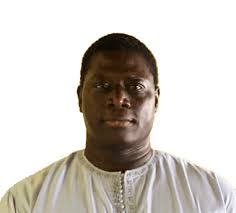
The Gambian-U.S based criminologist has said that the continued stay of foreign troops in the country, most especially manning the key strategic areas is a threat to national security. 


Mod Lamin Faye, a specialist on law enforcement and national security matters made these remarks recently in a telephone interview with The Outpost Media.


“For ECOMIG to be in the country and for us allowing foreign security forces to be in our sensitive areas, especially at State House is basically a threat to national security. 


So we the Gambian have this tendency that in believing in other than ourselves. 


Why do we always reach to these foreign security forces to take care of our security issues in the country.  whatever is going on right now in The Gambia is a threat to national security,” he argued. 


As readers could recalled  the deployment of foreign troops (ECOMIG) to The Gambia was precipitated by the refusal of former President Jammeh to ensure the peaceful and smooth hand-over of power having lost the December 2016 election to President-elect Adama Barrow. 

Such deployment, facilitated by the regional bloc (ECOWAS) was mandated by United Nations Security Council (UNSC) Resolution 2337 which: 


 called upon “…the countries in the region and the relevant regional organisation to cooperate with President Barrow in his efforts to realize the transition of power;” and which expressed “…its full support to the ECOWAS in its commitment to ensure, by political means first, the respect of the will of the people of the Gambia as expressed in the results of 1st December elections”.


The mandate of ECOMIG is derived from this UNSC resolution and evidently, it was limited to them ensuring “the respect of the will of the people of the Gambia as expressed in the results of 1st December elections” by assisting President elect Barrow to “realize the transition of power”


He said the people who are suppose to be protecting the integrity of the country; are the same people undermining its laws. 


He added: “Him (barrow) should have use the opportunity of these security forces in the country and train them, invest in our security and to make sure that we have the best security; not only in the region but also in the world” he concluded.

2024-01-08 08:00:00

|Opinion| Africa’s future beyond 2024 demands unapologetic and resolute leadership

Image
Ebrima Faal | Africa’s leadership landscape is a constellation of stories, encompassing triumphs and tribulations, visionary leadership and struggles against historical legacies and contemporary challenges. Amidst this intricate mosaic, the path to a prosperous and democratic future for Africa lies in the hands of its leaders, who must navigate these complexities with a deep understanding of the continent’s unique circumstances. | Navigating the legacy of colonialism By Ebrima Faal The scars of colonialism are still visible across Africa, and have left indelible marks on the continent’s political, economic, and social landscapes. Arbitrary borders drawn by colonial powers often disregard ethnic and cultural boundaries, which sowed the seeds for conflict and hinder regional integration. The focus on resource exploitation during colonial times has left many African countries with a dependence on primary commodities, making them vulnerable to global market fluctuations and hindering econo...


Ebrima Faal


| Africa’s leadership landscape is a constellation of stories, encompassing triumphs and tribulations, visionary leadership and struggles against historical legacies and contemporary challenges. Amidst this intricate mosaic, the path to a prosperous and democratic future for Africa lies in the hands of its leaders, who must navigate these complexities with a deep understanding of the continent’s unique circumstances. |


Navigating the legacy of colonialism


By Ebrima Faal


The scars of colonialism are still visible across Africa, and have left indelible marks on the continent’s political, economic, and social landscapes. Arbitrary borders drawn by colonial powers often disregard ethnic and cultural boundaries, which sowed the seeds for conflict and hinder regional integration. The focus on resource exploitation during colonial times has left many African countries with a dependence on primary commodities, making them vulnerable to global market fluctuations and hindering economic diversification. The disruption of traditional systems and the imposition of foreign norms have undermined indigenous governance structures and contributed to instability.


The transition from colonial rule to self-governance brought its own set of challenges, including political instability, internal conflicts, and economic hardship. The lack of strong institutions, the absence of stable political systems (sometimes leading to military rule) and the struggle to establish inclusive governance frameworks have impeded progress in many African countries. These challenges have often been compounded by external factors, such as Cold War proxy battles and foreign interventions, which further destabilised the region.


Amidst these complexities, the need for visionary and determined leadership becomes paramount. Leaders must possess a clear and comprehensive vision for their nations’ development, setting forth ambitious goals that address the root causes of poverty, inequality, and instability. This vision must be coupled with unwavering resolve to implement it, navigating the inevitable challenges and setbacks that will arise along the way.


Roadmap


Corruption has been a scourge in many African nations, hindering development, eroding public trust, and fuelling instability. It manifests in various forms, from embezzlement of public funds to the awarding of contracts based on patronage rather than merit. Addressing corruption requires a multi-pronged approach, including strengthening institutions of accountability, promoting transparency and ethical conduct, and fostering a culture of civic engagement. The Africa Union estimates that £110 billion is lost to corruption every year, equivalent to the GDP of all but five countries in Africa.


Effective governance, the cornerstone of prosperity and democracy, is undermined by weak institutions, such as in South Africa where the judiciary is subject to improper influence from powerful people and entities. Strengthening these institutions requires a commitment to meritocracy, as seen in Botswana’s efforts to include quotas for women on party lists and its well-regarded governance profile. Rwanda’s legal recognition of land rights and clear mechanisms for enforcing rights and resolving conflicts is another positive example.


Africa’s path to prosperity is hindered by a range of economic and developmental hurdles. Inadequate infrastructure, such as the lack of electricity in communities across Mali, and high poverty rates, as seen in Nigeria and the Democratic Republic of Congo, pose significant challenges. Unequal resource distribution further exacerbates the situation. Furthermore, the reliance on primary commodities, a characteristic of 83 per cent of African countries, makes economies vulnerable to global market fluctuations and hinders diversification into higher-value industries. Addressing these challenges requires investment in infrastructure, promoting inclusive economic growth, and diversifying export markets, as demonstrated by Kenya’s increasing export of manufactured goods markets.


External influences, including geopolitical interests and foreign interventions, can significantly impact African countries’ stability and governance. These factors can undermine national sovereignty, perpetuate conflict, and complicate governance, making it difficult for leaders to implement domestic reforms by creating conflicting pressures on leaders and propping up corrupt or ineffective leaders, thereby hindering the implementation of necessary changes. Mitigating these external influences requires promoting regional cooperation, strengthening African institutions, and upholding international norms.


Tribalism and ethnic divisions remain a source of conflict and instability in many African nations. Leaders must strive to foster unity and cohesion by promoting inclusive policies that address the root causes of these divisions. This includes promoting equal access to opportunities, ensuring representation of all groups in decision-making processes, and addressing historical grievances These grievances often stem from colonial rule, such as the dispossession of land, the undermining of traditional roles of African chiefs, and the introduction of franchise legislation that denied many Africans the right to vote.


Case studies of success: Botswana and Rwanda


Despite the challenges, Africa has witnessed inspiring examples of leadership that have positively impacted the continent’s democratic landscape and economic prospects. Two such examples are Botswana under the leadership of Seretse Khama and Rwanda under Paul Kagame.


Khama’s leadership in Botswana was characterised by a profound commitment to democratic principles, economic liberalisation, and robust governance. His unwavering belief in multi-party democracy and free and fair elections established a stable and inclusive political system which fostered a sense of national unity and resilience. Simultaneously, his embrace of market-driven principles and his proactive efforts to attract foreign investment transformed Botswana into an economic powerhouse, propelling the nation to become an African success story.


Khama’s emphasis on strengthening public institutions, particularly the judiciary and the civil service, laid the bedrock for effective governance. His zero-tolerance policy on corruption instilled public trust and created a business-friendly environment, attracting investors and driving economic growth. Khama’s leadership left an indelible mark on Botswana, setting a high standard for governance and economic development, inspiring leaders across Africa and demonstrating the transformative power of visionary and committed leadership.


Kagame’s vision for Rwanda extends beyond mere stability or prosperity; he envisions a nation where harmonious coexistence, economic vibrancy, and inclusivity flourish. To achieve this ambitious goal, he is implementing a multifaceted strategy that addresses deep-rooted societal divisions, strengthens the institutional foundations, prioritises education, and fosters entrepreneurship. These far-reaching policies are driving Rwanda’s transformation, propelling the nation from the ashes of genocide to a position among Africa’s most promising economies.


Kagame’s leadership is not without its challenges and controversies. His unwavering focus on national unity and economic development is often accompanied by measures that critics deem authoritarian. However, supporters argue that these measures are necessary to maintain stability and security in a nation that had experienced the horrors of genocide. Despite these debates, Kagame’s leadership stands as a testament to Rwanda’s remarkable resilience and the power of visionary leadership to steer a nation towards a brighter future.


Charting a course for prosperity and democracy


Prosperity and democracy in Africa require leaders with vision, determination, and a deep understanding of the continent’s unique challenges. These leaders must uphold transparency, accountability, and inclusivity to foster trust and socio-economic growth.


The rise of populism and the impact of social media present both opportunities and challenges. Populist rhetoric can resonate with the populace, but it must be balanced with democratic principles and inclusive governance. Social media, a powerful tool for civic engagement, can also spread misinformation.


Leaders capable of navigating these complexities and harnessing these opportunities are crucial for guiding Africa towards a brighter future. By addressing poverty, inequality, and instability at their roots, they can create a prosperous and democratic Africa that benefits all its citizens.


About the Author

The author is the CEO of Development Perspectives UK. He has had a 30 year career in international development, including roles at the African Development Bank and the IMF.

He is a graduate of Mount Allison and McGill Universities in Canada.


Publisher’s Note


Views expressed herein are those of the author and do not necessarily represent the views of the publisher. Want to be a contributing author? Please email opmail220@gmail.com



2024-01-04 13:00:00

AOHJ Pays Courtesy Call To Heath Directorate

Image
  Team Outpost A delegation from the Association of Health Journalists (AoHJ), led by its president Sally Jarju, paid a courtesy call to the Directorate of Health Promotion and Education, DHPE, on Tuesday, January 2nd 2024, at the Directorates Office at the Medical Drug Store office in Kotu. The visit was to introduce the AoHJ 2024 activity plans and the areas it deemed necessary to collaborate and, DHPE, interventions.   Michael Manga Mendy, the Director at Health Promoting and Education, commended AoHJ in their recently concluded and successful elective congress. “Congratulations will not be limited to you (AoHJ). We have to congratulate the Health Promotion Directorate and the Ministry of Health (MoH), for accepting this opportunity that we have been thinking of. I can remember one year ago your absence was felt. This was in December last year when we needed your participation and we came to realise that there were lapses here and there. I am delighted to receive you a...


Team Outpost


A delegation from the Association of Health Journalists (AoHJ), led by its president Sally Jarju, paid a courtesy call to the Directorate of Health Promotion and Education, DHPE, on Tuesday, January 2nd 2024, at the Directorates Office at the Medical Drug Store office in Kotu.


The visit was to introduce the AoHJ 2024 activity plans and the areas it deemed necessary to collaborate and, DHPE, interventions.  


Michael Manga Mendy, the Director at Health Promoting and Education, commended AoHJ in their recently concluded and successful elective congress.


“Congratulations will not be limited to you (AoHJ). We have to congratulate the Health Promotion Directorate and the Ministry of Health (MoH), for accepting this opportunity that we have been thinking of. I can remember one year ago your absence was felt. This was in December last year when we needed your participation and we came to realise that there were lapses here and there. I am delighted to receive you and I will inform the minister I am sure he will be very happy to receive this great news. I am happy to hear that your association has extended its membership across the length and breadth of the country. We (MoH), were enjoying weekly free airtime from all the Community radios across the country,”  said Mieheal Manga Mendy, Director of Health Promotion and Education.


On her part, Sally Jarju, the president of the Association of Health Journalists, AoHJ, was delighted to lead her executive to formally introduce them before the Health Promotion Officers.


“The Association of Health Journalists, AoHJ,  has key priorities which are limited but include the following, media training for our members many of whom are new in the health reporting sector,” she posited.


Madam Jarju, who secured a permanent seat under the Tabacco Control Act (TCA), encouraged its members to work hand in glove with the Directorate of Health Promotion and Education, DHPE, to take charge in the revamping and revitalization of some health columns and radio airtime in creating more awareness.


How Madam Jarju secured the permanent seat for herself. Under the Tabacco Control Act (TCA),?


 on page 9 - z stated that a representative from the Association of Health Journalists (aa) two representative from Civil Society who are - (i) engaged in tobacco control, and (ii) nominated in consultation with the Committe by a forum of organisations engaged in tobacco control. 


A Member Shall - (a) be nominated by the Permanent Secretaries or heads of the respective Ministries or Institutions, (b) not have any affiliation with the tobacco industry, and (c) not further the interests of tobacco industry or it\

2024-01-04 12:00:00

Column | Setting Our Moral Compass Right

Image
            Legal Luminary Shares His Views On The Etiquette Values Of Humanity   By Almamy Fanding Taal “Good moral character is not something that we can achieve on our own. We need a culture that supports the conditions under which self-love and friendship flourish," (Aristotle). In the hubbub of the modern world, where time is a precious commodity and individual pursuits often take precedence over shared values, it’s essential to pause and ask ourselves: are the values we once cherished still alive in this synthetic age? Let’s explore this question through a realistic scenario. Imagine a teenage child of our neighbour starts dumping garbage in an open area opposite the home of another neighbour who lives and works abroad but her elderly mother and relatives taking care of her mother live with us in the same neighborhood , what is the obligation of the neighbours in this scenario? The answer may vary, continge...